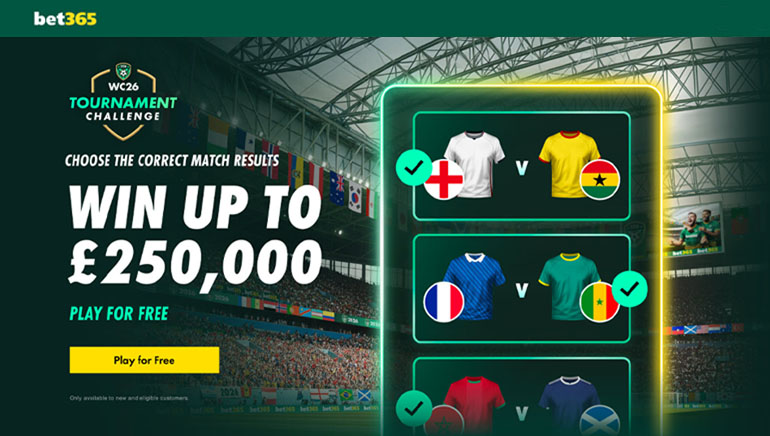
Gambling ads are everywhere in the UK: on your TV, social media feed, and even your favourite takeaway box. But critics say this bombardment is causing real harm, and public health advocates call for stricter regulations on this persistent marketing.
The UK is often considered a haven of the gambling industry, but its crazy gambling ads and lax advertising laws have made the marketplace what some critics refer to as the dangerous “Wild West.” From the advertising frenzy of the Premier League to poorly conceived fast-food promotions, the country finds itself increasingly under fire for “normalising” gambling, particularly among young people.
Gambling has never been easier, and the figures prove it. The latest Gambling Survey for Great Britain (GSGB) shows that gambling participation is soaring. Almost half of the respondents (48%) admitted to gambling in the past four weeks, up 3% from previous surveys.
Online sports betting platforms are one key driver of this growth, with 37% of participants gambling digitally. Also, the survey showed that males aged 25-34 are the demographic most likely to gamble, excluding people who only play the lottery. These figures suggest that younger audiences, those most exposed to digital and sports-related advertising, are particularly at risk.
But the dangers, however, go far beyond money. The National Gambling Helpline says 45% of its calls now involve concerns about online slots, up from 34% three years ago. Meanwhile, NHS referrals for gambling addiction have risen sharply, and the demands for reform have grown louder.
While countries like Spain, Italy, and the Netherlands have introduced severe restrictions on advertising, the UK's lenient regulations are under fire. According to a report by GambleAware, the UK had the most lenient gambling ad regulations of similar European countries.
In Britain, betting companies are the dominant sponsors of sports teams and advertisers around live sports. Public opinion, health advocates, and campaigners say the government needs to get a lot tougher, including placing clearer warnings on ads and banning targeted marketing of vulnerable groups.
The influence of gambling adverts is nowhere more obvious than in football. According to one study, they showed 29,000 gambling adverts during the Premier League's 2024 opening weekend, which is nearly three times more than the previous year. These include TV adverts, digital campaigns, pitchside LED banners, and team shirt sponsorships.
These actions have come under sharp criticism as many have accused the industry of exploiting football's vast audience, including youth. Industry self-regulation, critics say, has done little to satisfy these concerns. Retired England goalkeeper and former gambling addict Peter Shilton blasted the state of affairs, telling the BBC that the gambling industry is "out of control and can't regulate itself", calling for government action.
Bristol University's lecturer Dr Raffaello Rossi, said:
"It's clear that the industry's attempt to self-regulate is wholly inadequate and tokenistic. Despite having had years to put effective measures in place to protect consumers, the gambling industry continues to prioritise profit over safety,"
According to Rossi, the UK gambling industry has put profits before public health for too long.
The problem with gambling ads does not stop at sports or TV screens. Earlier this month, Pizza Hut came under fire after offering customers up to 300 free spins on online casino games with takeaway orders. This third-party network affiliated “grab a slice and a casino promo,” which is no longer available, was widely condemned as irresponsible and potentially harmful.
Critics pointed out that the offer failed to consider whether customers might be recovering gambling addicts. Duncan Smith, chairman of a parliamentary group that examines gambling harmfulness, added:
“This is yet further evidence of how out of control gambling advertising has become. It’s not even possible to order a pizza without online casino products being pushed on to people,”
Several measures to prevent gambling-related harm have only relatively recently started to be introduced by the UK government, critics maintain, do not go sufficiently far. "It's clear that the industry's attempt to self-regulate is wholly inadequate and tokenistic. Despite having had years to put in place effective measures to protect consumers, the gambling industry continues to prioritise profit over safety," says Rossi.
Out-of-control gambling ads are a scandal that has gotten out of control. Participation is up, public health concerns are rising, and the industry's profits are soaring. But the case for reform has never been more obvious. From pitchside ads at football matches to irresponsible fast-food promotions, gambling has become dangerously normalised in British culture.
With European countries setting the trend for more stringent laws, Britain has to decide whether it will follow suit or continue with a path that favours corporate interests over people. In the meantime, all eyes are on the government for real change before the destruction becomes irreversible.
Tags
uk gambling uk advertising betting advertising gambling addiction gambling advertisements online casino


 Blackjack
 Slots
Slots Roulette
 Video Poker
 Craps
Craps Baccarat